The Early Common Era (1-500 CE)
-
A.D.
Characteristics
- Warm Temperatures: The Roman Warm Period featured relatively mild conditions.
- Geographic Variability: Warmer conditions in Europe contrasted with cooler areas in the Americas and parts of Asia.
-
A.D.
Causes
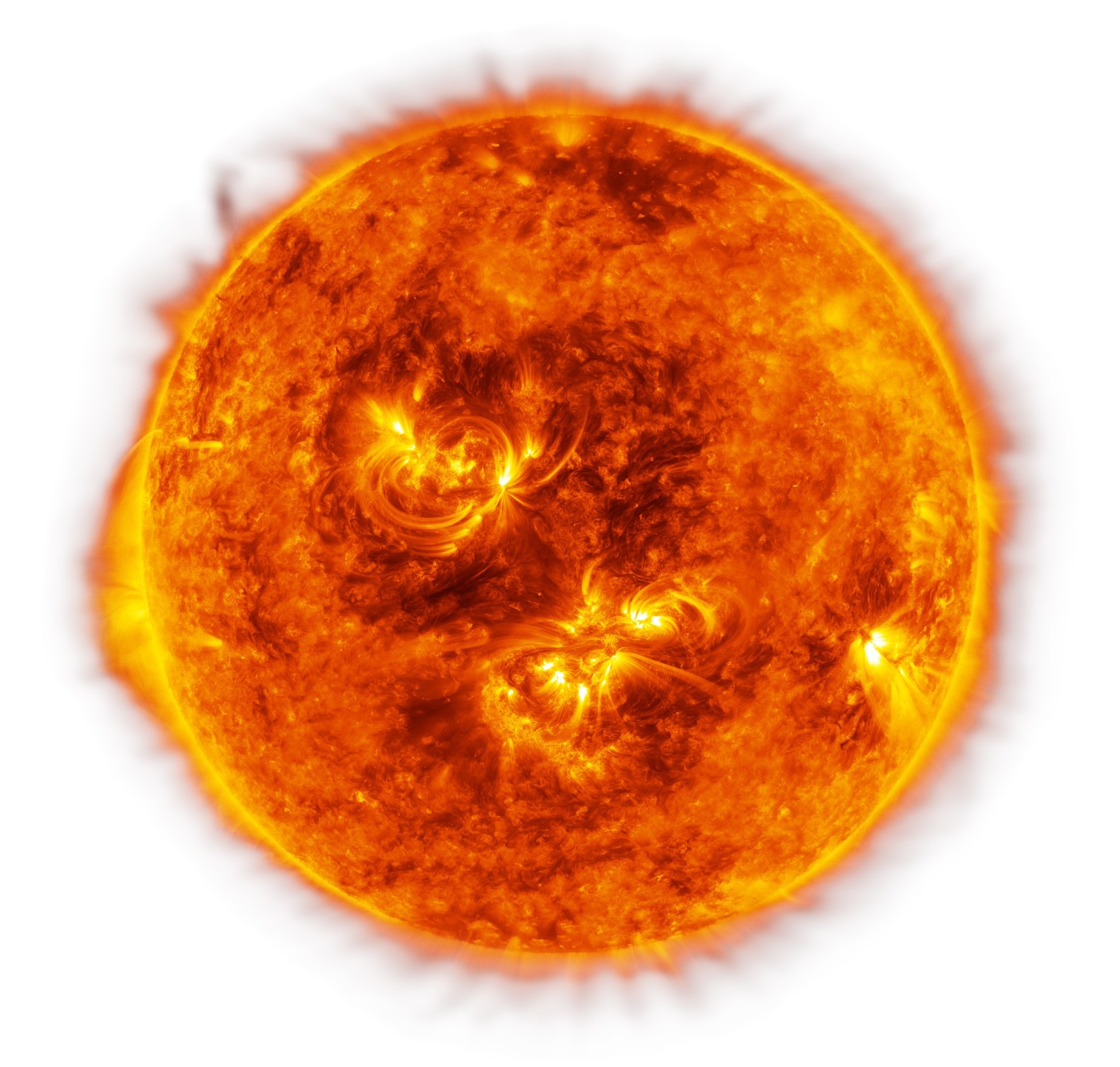
- Solar Activity: Increased solar radiation during this time may have contributed to the warmth.
- Volcanic Activity: Reduced volcanic activity led to less atmospheric cooling.
-
A.D.
Impacts
- Agricultural Expansion: Crop yields improved, supporting population growth.
- Cultural Flourishing: Enhanced trade routes and cultural exchanges, particularly in the Mediterranean.
The Medieval Warm Period (800-1300 CE)
-
A.D.
Characteristics
- Regional Warmth: Higher temperatures, especially in Europe and the North Atlantic.
- Extended Growing Seasons: Regions like Greenland became agriculturally viable.
-
A.D.
Causes
- Natural Climate Variability: Fluctuations in ocean currents and wind patterns.
- Solar Cycles: Periods of increased solar activity contributed to warmer conditions.
-
A.D.
Impacts
- Norse Settlements: Establishment of Viking colonies in Greenland.
- Economic Growth: Increased agricultural production led to population booms and trade expansion.
The Little Ice Age (1300-1850 CE)
-
A.D.
Characteristics
- Global Cooling: Significant drop in temperatures, especially in the Northern Hemisphere
- Glacial Advancements: Glaciers expanded in Europe, North America, and parts of Asia.
-
A.D.
Causes
- Volcanic Activity: Several large eruptions, such as Mount Tambora in 1815, contributed to cooling.
- Decreased Solar Activity: Reduced solar output during the Maunder Minimum (1645-1715).
-
A.D.
Impacts
- Agricultural Expansion: Crop yields improved, supporting population growth.
- Social Unrest: Food shortages contributed to conflicts, including the Peasants' Revolt in England.
The 19th and Early 20th Centuries
-
A.D.
Characteristics
- Gradual Warming: A trend of increasing temperatures began as industrial activities escalated.
- Urbanization: Rapid industrial growth and urban expansion changed land use and affected local climates.
-
A.D.
Causes
- Fossil Fuel Combustion: Increased burning of coal, oil, and gas released significant greenhouse gases.
- Land Use Changes: Deforestation and agricultural expansion altered carbon storage.
-
A.D.
Impacts
- Early Climate Science: Researchers like John Tyndall began to study the greenhouse effect.
- Public Awareness: Awareness of environmental issues began to grow, leading to early conservation movements.
The Mid to Late 20th Century
-
A.D.
Characteristics
- Rapid Temperature Increases: The average global temperature rose sharply, especially after the 1970s.
- Extreme Weather Events: Increased frequency and severity of hurricanes, droughts, and heatwaves.
-
A.D.
Causes
- Industrialization: Peak fossil fuel usage and increased CO2 emissions.
- Deforestation: Loss of forests reduced the planet's ability to sequester carbon.
-
A.D.
Impacts
- Environmental Legislation: Initiatives like the Clean Air Act and Earth Day raised awareness and prompted action.
- IPCC Formation: The establishment of the Intergovernmental Panel on Climate Change in 1988 led to coordinated global research and policy efforts.
The 21st Century and Beyond
-
A.D.
Characteristics
- Unprecedented Warming: The 21st century has experienced record-breaking global temperatures, with 2016 and 2020 among the hottest years.
- Melting Ice Caps: Polar regions are seeing significant ice loss, contributing to rising sea levels.
-
A.D.
Causes
- Solar Activity: Increased solar radiation during this time may have contributed to the warmth.
- Volcanic Activity: Reduced volcanic activity led to less atmospheric cooling.
-
A.D.
Impacts
- Agricultural Expansion: Crop yields improved, supporting population growth.
- Cultural Flourishing: Enhanced trade routes and cultural exchanges, particularly in the Mediterranean.


.jpeg)