Climate is just a story which is from characters, events, timeline, highlights, and places............
"The world is warming, seas are rising, and ecosystems are changing what story will you tell to inspire action? Join US and transform climate data into a narrative that moves the world toward solutions"
0
Average
Temprature(°F)
0
Greenhouse Gases
ratio (ppm)
0
Rising Sea (cm)
from 1900
0
Deforestation Contribution
We are a dedicated team of individuals united by our passion for addressing climate change and promoting sustainable solutions. Each member brings unique skills and perspectives from various backgrounds, including environmental science, engineering, policy advocacy, and community outreach.
Join us on our mission to make a difference and contribute to a sustainable future!
Climate change is an urgent global crisis, with rising temperatures, extreme weather events, and shifting ecosystems becoming increasingly evident. Human activities, such as fossil fuel combustion and deforestation, have intensified the greenhouse effect, leading to alarming consequences for our planet. The effects are felt in more frequent natural disasters, food and water scarcity, and the displacement of communities. Immediate collective action is essential to mitigate these impacts and secure a sustainable future for all.
In the A.D. era, climate change was influenced by both natural factors and human activities. However, the onset of the Little Ice Age (around 1300 to 1850 A.D.) brought cooler temperatures, resulting in poor harvests and social unrest. This period highlights the increasing importance of human adaptation to climate change and its profound impact on societies.
In the BCE (Before the Common Era), climate change was primarily influenced by natural factors such as volcanic eruptions, solar radiation variations, and shifts in Earth's orbit. The Holocene epoch, starting around 11,700 years ago, saw a warming trend that enabled the Neolithic Revolution, leading to settled agriculture and the rise of civilizations.
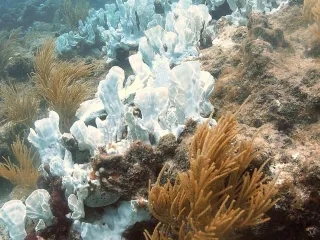
The ocean has absorbed much of this increased heat, with the top 100 meters (about 328 feet) of ocean showing warming of 0.67 degrees Fahrenheit (0.33 degrees Celsius) since 1969.6 Earth stores 90% of the extra energy in the ocean.
Learn more...
The planet's average surface temperature has risen about 2 degrees Fahrenheit (1 degrees Celsius) since the late 19th century, a change driven largely by increased carbon dioxide emissions into the atmosphere and other human activities.4 Most of the warming occurred in the past 40 years, with the seven most recent years being the warmest. The years 2016 and 2020 are tied for the warmest year on record.
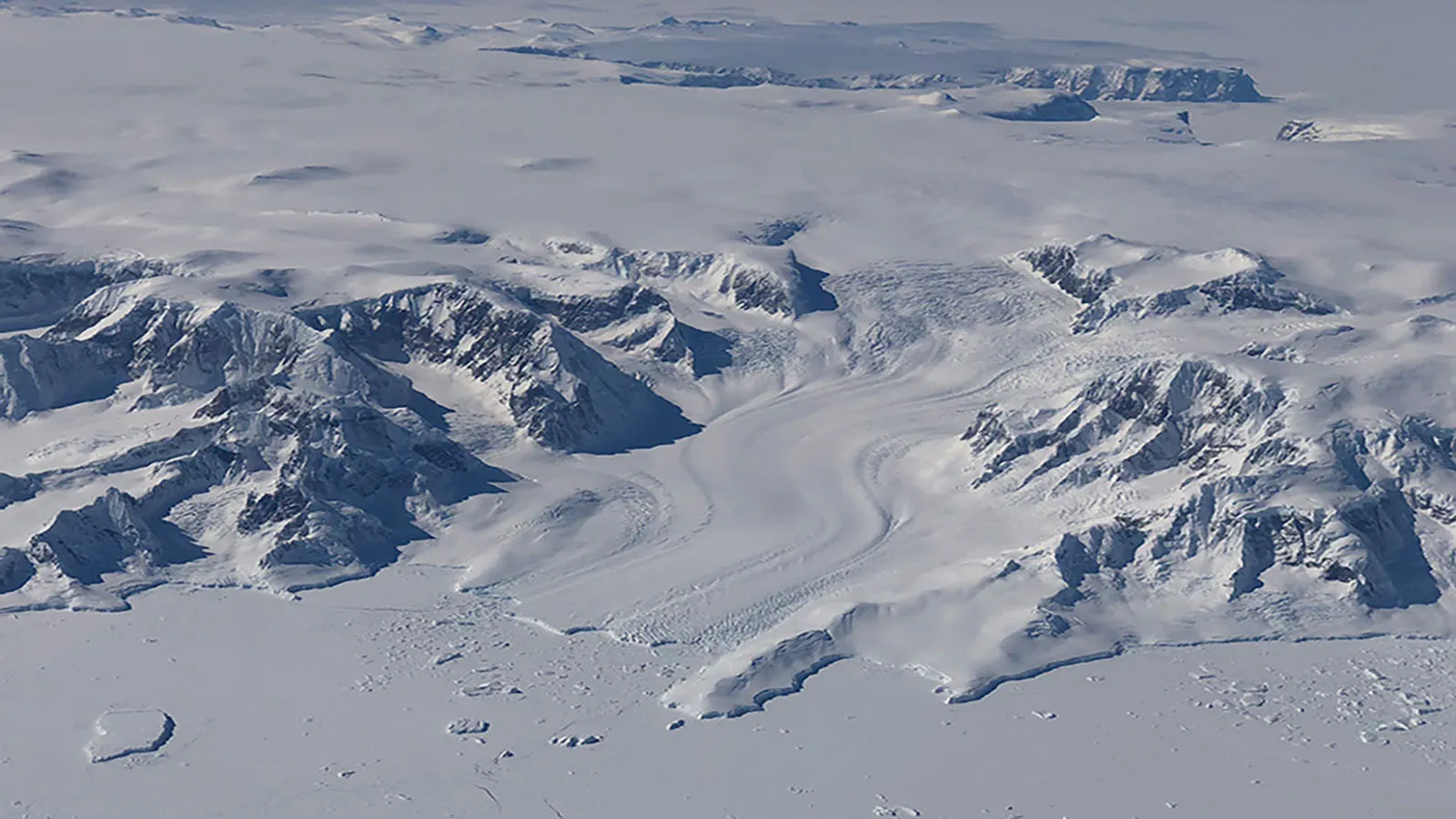
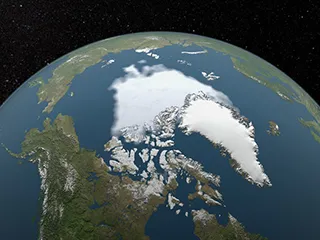
Learn more...The Greenland and Antarctic ice sheets have decreased in mass. Data from NASA's Gravity Recovery and Climate Experiment show Greenland lost an average of 279 billion tons of ice per year between 1993 and 2019, while Antarctica lost about 148 billion tons of ice per year.
Learn more...
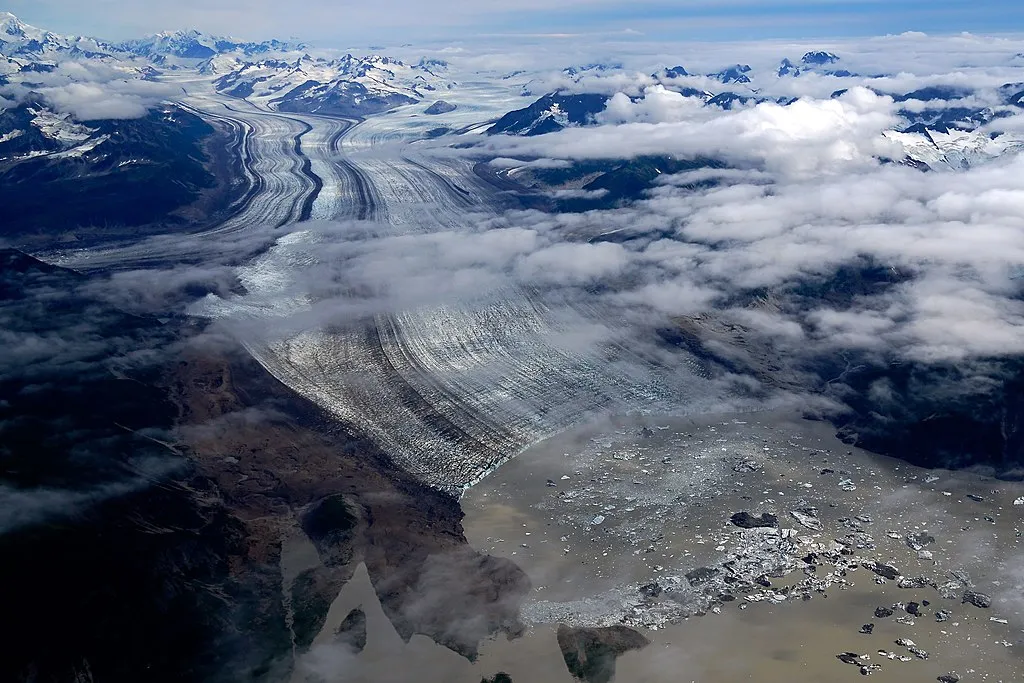
Glaciers are retreating almost everywhere around the world — including in the Alps, Himalayas, Andes, Rockies, Alaska, and Africa.
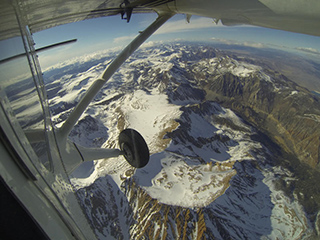
Learn more...Satellite observations reveal that the amount of spring snow cover in the Northern Hemisphere has decreased over the past five decades and the snow is melting earlier.
Learn more...
Global sea level rose about 8 inches (20 centimeters) in the last century. The rate in the last two decades, however, is nearly double that of the last century and accelerating slightly every year.
Learn more...The number of record high temperature events in the United States has been increasing, while the number of record low temperature events has been decreasing, since 1950. The U.S. has also witnessed increasing numbers of intense rainfall events.
Learn more...
The number of record high temperature events in the United States has been increasing, while the number of record low temperature events has been decreasing, since 1950. The U.S. has also witnessed increasing numbers of intense rainfall events.
Learn more...Since the beginning of the Industrial Revolution, the acidity of surface ocean waters has increased by about 30%.13, 14 This increase is due to humans emitting more carbon dioxide into the atmosphere and hence more being absorbed into the ocean. The ocean has absorbed between 20% and 30% of total anthropogenic carbon dioxide emissions in recent decades (7.2 to 10.8 billion metric tons per year).
Learn more...
Web & App Developer
Video Editor & Reseacher
Graphic Designer
Researcher & writer
Researcher & writer
You have a role and can be change maker!!