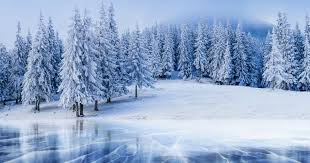
The Last Glacial Maximum (c. 26,500 - 19,000 BCE)
-
B.C.E.
Characteristics
- Cold Climate: The Last Glacial Maximum (LGM) featured extensive ice sheets covering large parts of North America, Europe, and Asia.
- Lower Sea Levels: Sea levels were significantly lower due to the vast amounts of water trapped in ice.
-
B.C.E.
Causes
- Milankovitch Cycles: Variations in Earth’s orbit and axial tilt led to significant cooling and glaciation.
- Atmospheric Conditions: Lower greenhouse gas concentrations contributed to colder temperatures.
-
B.C.E.
Impacts
- Human Migration: Humans adapted to colder conditions, with populations migrating to warmer areas as ice sheets retreated.
- Flora and Fauna: Many species, including megafauna like mammoths and saber-toothed cats, thrived in cold environments but faced extinction as the climate warmed.
Early Holocene (c. 11,700 - 5,000 BCE)
-
B.C.E.
Characteristics
- Post-Ice Age Warming: Following the LGM, the Earth entered a warming phase that marked the end of glaciation.
- Increased Biodiversity: Warmer temperatures led to the expansion of forests and grasslands.
-
B.C.E.
Causes
- Orbital Changes: Continued Milankovitch cycles influenced climate stability and warmth.
- Vegetation Changes: Shifts in vegetation cover altered local climates, contributing to warmer temperatures.
-
B.C.E.
Impacts
- Human Development: The warming climate facilitated the transition from nomadic lifestyles to settled agricultural societies.
- Agricultural Beginnings: Early farming began in the Fertile Crescent, leading to the rise of civilizations.
Middle Holocene (c. 5,000 - 3,000 BCE)
-
B.C.E.
Characteristics
- Stabilized Climate: The climate became more stable and warmer, with notable regional variations.
- Increased Humidity: Many areas, particularly in Africa and the Americas, experienced wetter conditions.
-
B.C.E.
Causes
- Continued Warmth: Influenced by orbital mechanics and increasing atmospheric CO2 from vegetation growth.
-
B.C.E.
Impacts
- Rise of Complex Societies: Agricultural surplus supported population growth and the emergence of cities.
- Cultural Flourishing: Development of trade networks, technologies, and social structures in regions like Mesopotamia and the Indus Valley.
The Neolithic Revolution (c. 10,000 - 4,500 BCE)
-
B.C.E.
Characteristics
- Agricultural Expansion: Marked by the domestication of plants and animals.
- Population Growth: Settlements expanded as agriculture provided reliable food sources./li>
-
B.C.E.
Causes
- Climate Favorability: The warmer, stable climate allowed for consistent crop production and livestock management.
- Social Dynamics: Increased food availability supported larger, more complex communities.
-
B.C.E.
Impacts
- Civilization Formation: The development of writing, governance, and trade systems, particularly in river valley civilizations.
- Environmental Changes: Land use changes began to alter ecosystems and regional climates.
The Iron Age and Late Prehistoric Period (c. 1200 - 500 BCE)
-
B.C.E.
Characteristics
- Variable Climate: Continued fluctuations in climate affected agricultural practices.
- Regional Cooling Trends: Some areas experienced cooler conditions towards the end of this period.
-
B.C.E.
Causes
- Shifts in Climate Patterns: Changes in atmospheric circulation and ocean currents influenced regional climates.
-
B.C.E.
Impacts
- Cultural Adaptations: Societies adapted to changing conditions through innovations in farming and settlement patterns.
- Emergence of Trade Networks: Increased trade connections helped distribute resources, mitigating some climatic impacts.


.jpeg)